Rainwater Harvesting System in Pune
Water scarcity is a critical global challenge, and as populations increase, it becomes essential to explore alternative water conservation methods. One approach that is gaining traction is rainwater harvesting. This age-old practice has seen a resurgence due to its potential to alleviate water shortages, reduce pressure on existing water supplies, and promote sustainable water use. In this article, we will explore various aspects of rainwater harvesting systems, their advantages, and their role in fostering a more sustainable future.
The Importance of Rainwater Harvesting
Rainwater is a valuable resource that, when harnessed effectively, can address water scarcity issues faced by many communities. Rainwater harvesting in Pune offers several benefits over traditional water sources, such as reducing dependency on municipal supplies, easing the burden on groundwater reserves, and decreasing stormwater runoff, which can contribute to flooding and erosion. Furthermore, rainwater is naturally soft and lacks many of the contaminants found in other water sources, making it ideal for non-potable purposes like irrigation, toilet flushing, and various industrial uses.
Components of a Rainwater Harvesting System
A rainwater harvesting system comprises several critical elements that work together to capture, store, and distribute rainwater. These key components include:
Gutters and Downspouts: These structures channel the rainwater from the catchment surface into the storage system.
Leaf Screens and Filters: These prevent debris, such as leaves and other contaminants, from entering the system and blocking pipes or tanks.
Storage Tanks: These containers are designed to hold the collected rainwater and can be installed above or below ground, depending on space and local regulations.
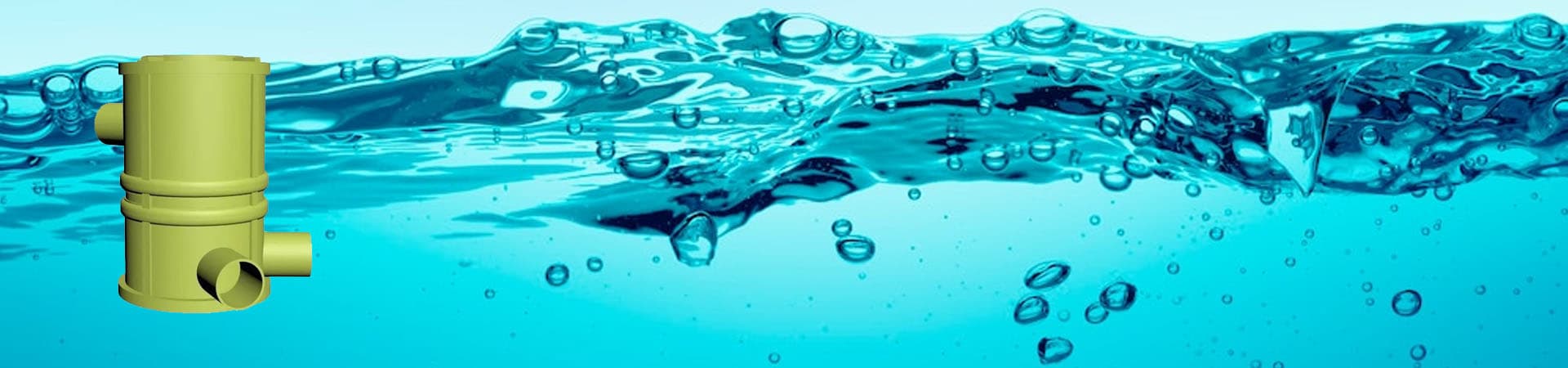
First Flush Diverters: These devices ensure that the initial runoff, which may carry pollutants and debris, is directed away from the storage system.
Pumps and Distribution Systems: These are used to extract and distribute the stored rainwater for various purposes, including irrigation or other non-potable uses.
Benefits of Rainwater Harvesting
There are many advantages to implementing a rainwater harvesting system. One of the key benefits is that it reduces the pressure on traditional water sources, such as rivers and groundwater, ensuring their sustainability for future generations. Additionally, rainwater harvesting helps mitigate the negative impacts of urbanization by controlling stormwater runoff and reducing the likelihood of localized flooding. Using harvested rainwater for non-potable purposes like irrigation can also result in significant cost savings for both homeowners and businesses by decreasing the need for treated municipal water.
Moreover, rainwater harvesting enhances self-sufficiency, especially in areas susceptible to droughts or water restrictions. It enables individuals and communities to manage their water needs independently, reducing reliance on centralized infrastructure. Furthermore, by lowering the demand for municipal water, rainwater harvesting helps conserve energy required for water treatment and distribution.
Considerations and Maintenance
When installing a rainwater harvesting system, it is important to consider factors such as local regulations, the size of the catchment area, and the intended uses of the harvested water. Regular maintenance, including the cleaning of gutters, screens, and filters, is vital to ensure the system operates efficiently and that the stored water remains clean and safe for its intended use.
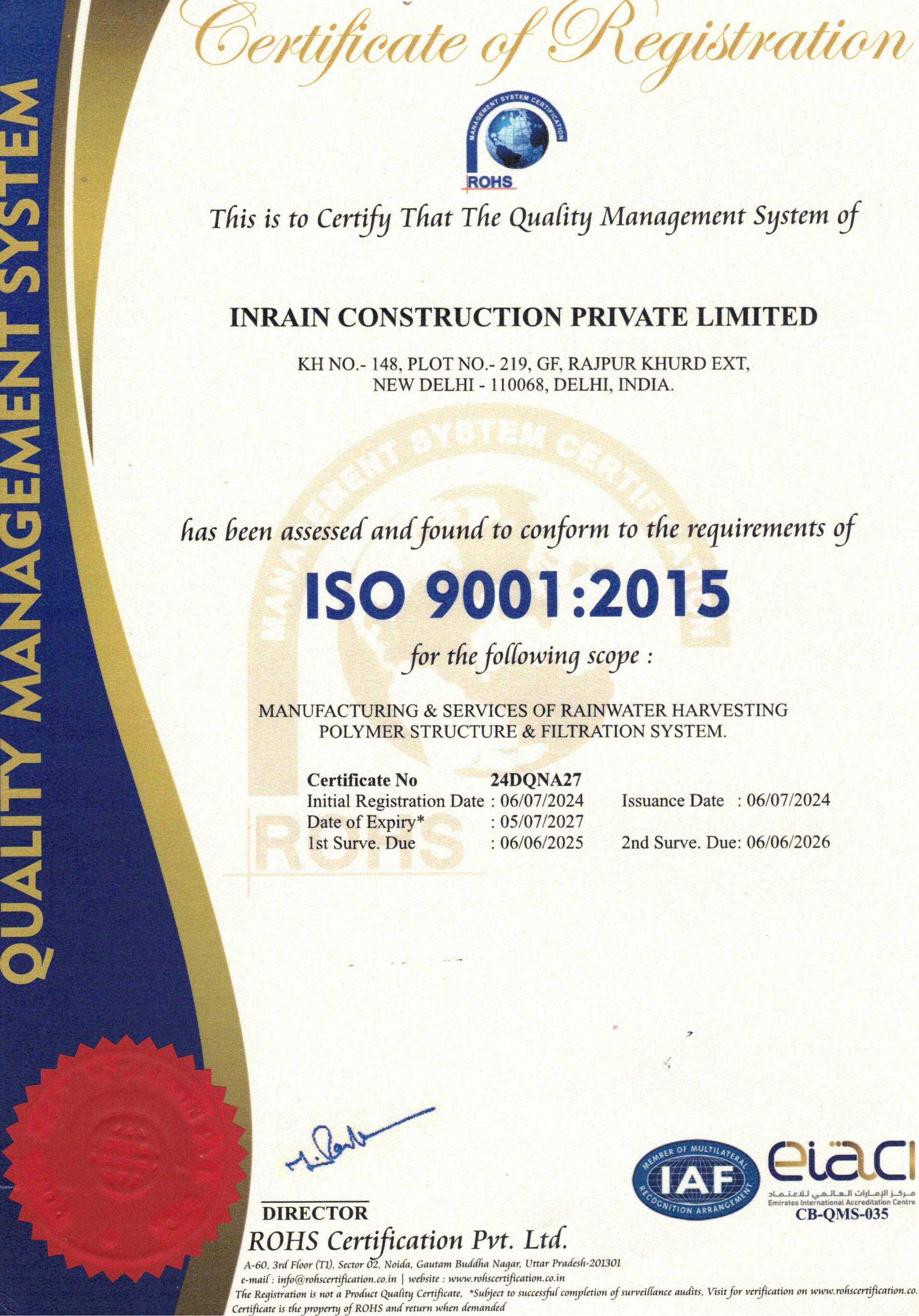
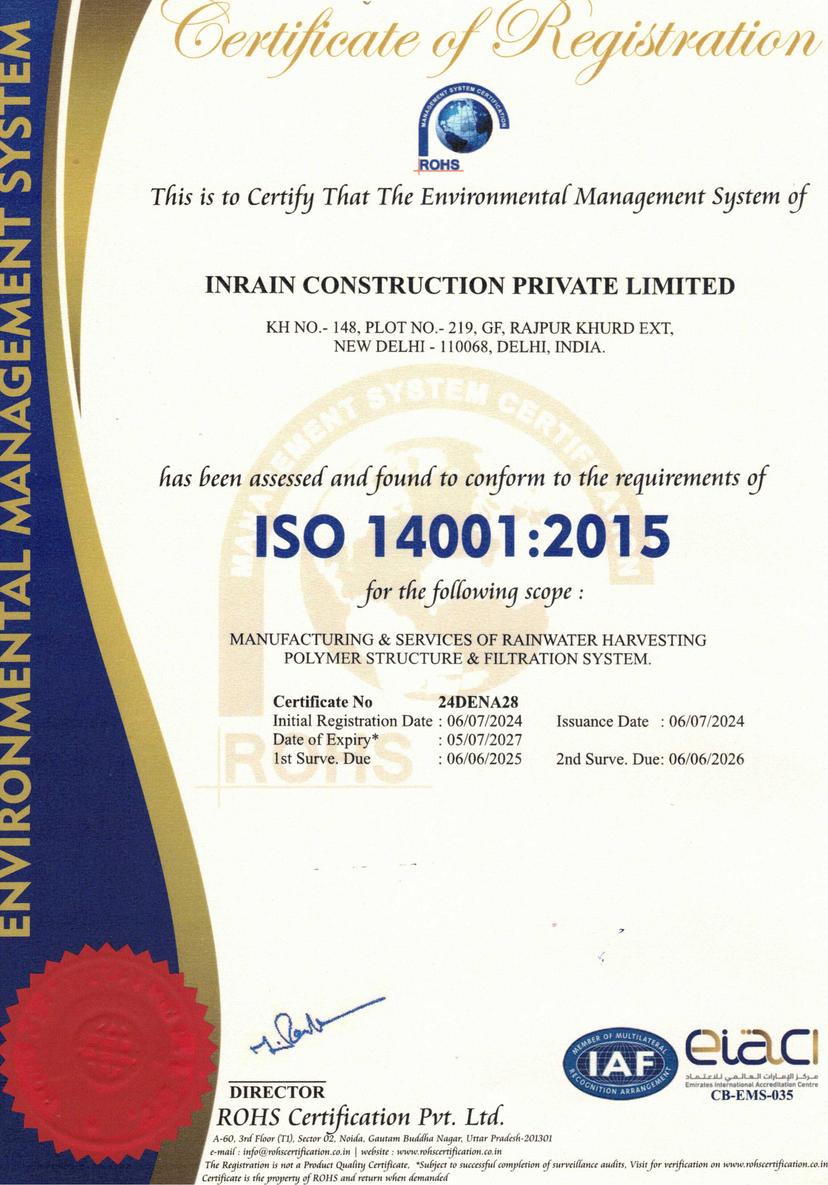
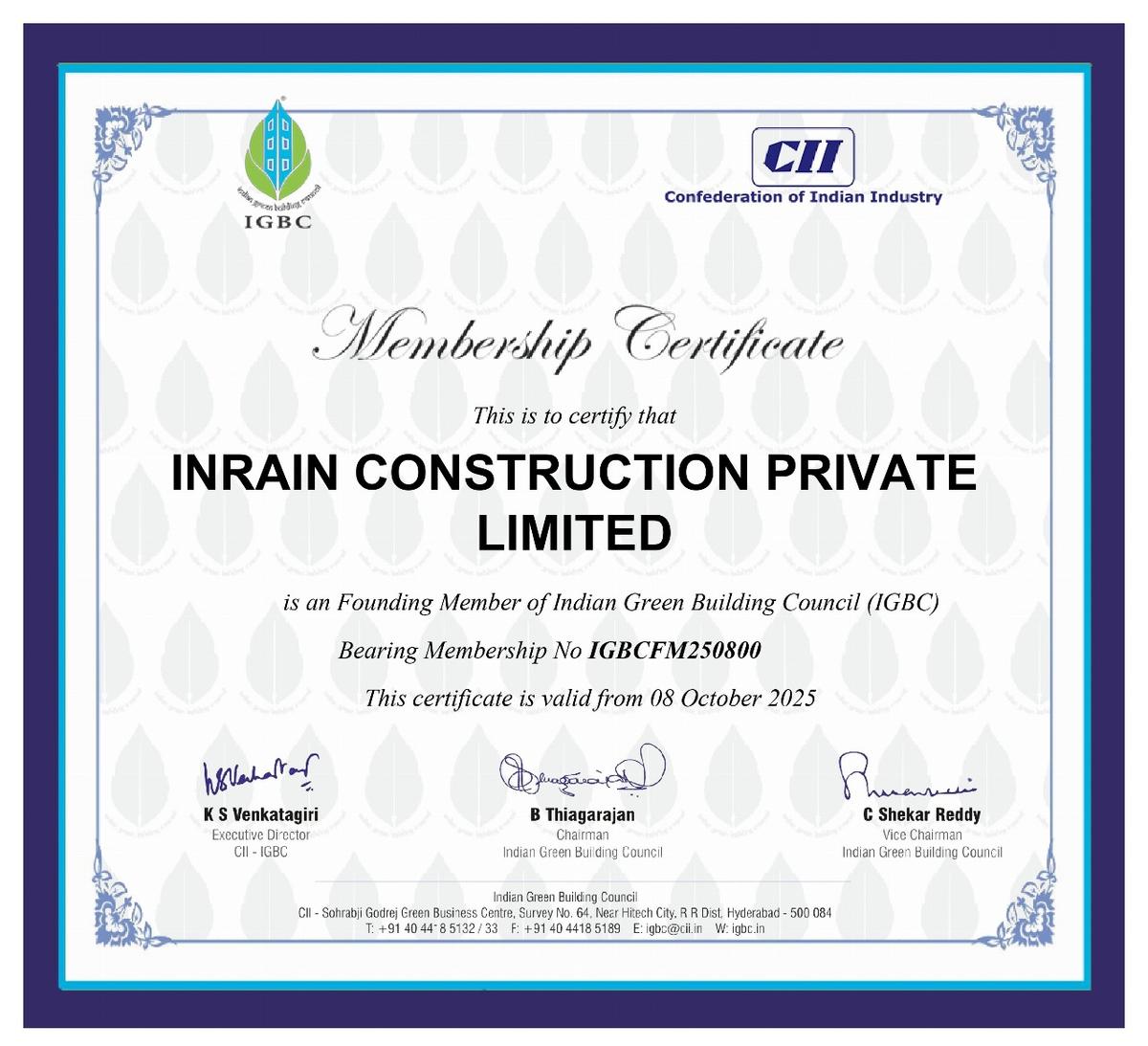
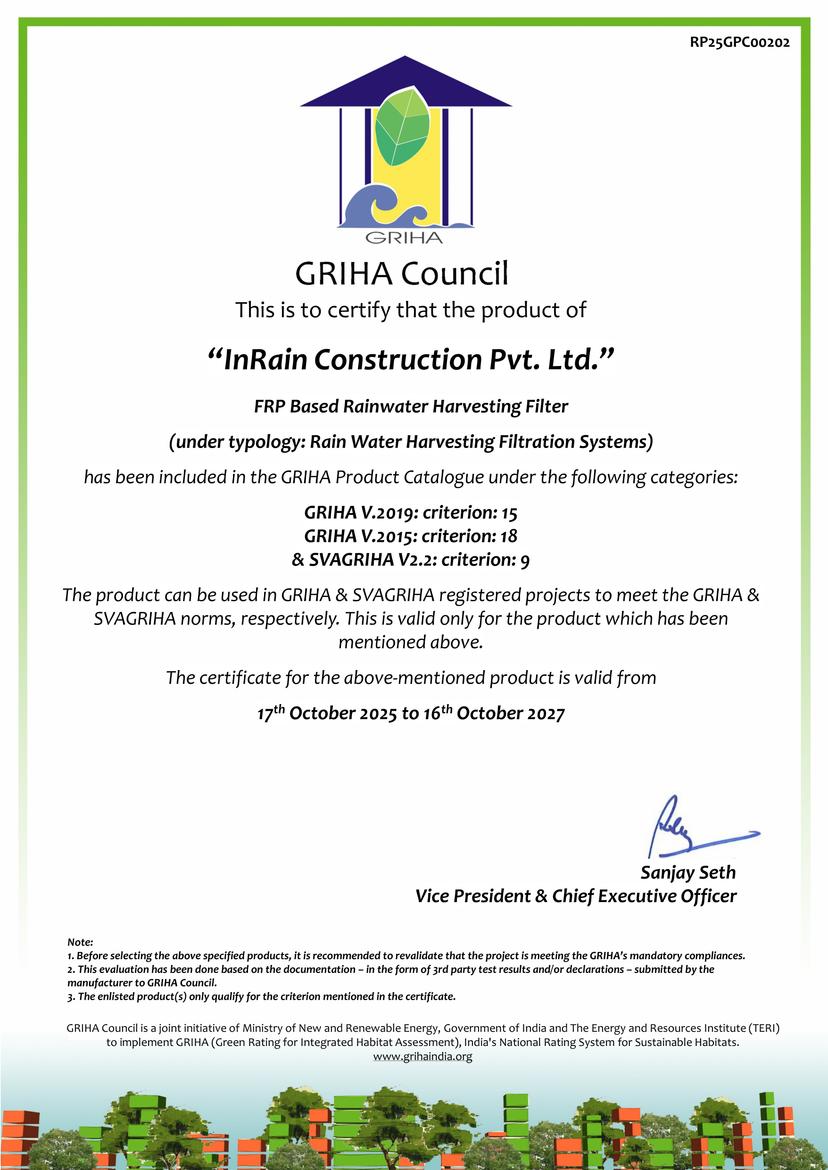
Explore Our Certificates
Certifications that reflect our commitment to quality, sustainability, innovation, and environmental excellence.